Por Rachel Showstack
Puede que la pandemia de COVID-19 haya quedado atrás, pero Wichita no ha dejado de pensar en la salud. El Wichita Biomedical Campus es un proyecto de $300 millones ubicado en South Broadway, en el centro de Wichita, diseñado para centrarse en las causas físicas de las enfermedades y en las tecnologías creadas para abordar esas causas (en otras palabras, la ciencia biomédica y la ingeniería biomédica). Estos son componentes importantes para lograr que Kansas sea un estado saludable, y pueden tener un verdadero impacto cuando la salud se aborda de manera integral y teniendo en cuenta a todos los habitantes de Kansas. Entonces, ¿qué se está haciendo para garantizar que la abundancia de recursos de salud de Wichita tenga un impacto significativo en las comunidades de Kansas?
En el Fairmount College of Liberal Arts and Sciences de Wichita State, los estudiantes van más allá de las ciencias biomédicas para ampliar nuestra comprensión del aspecto humano de la salud y construir un mundo en el que los últimos avances en tecnología sanitaria puedan beneficiar a todas las personas por igual. Esto implica considerar áreas humanísticas como la comunicación intercultural, la ética, las dinámicas de poder, las prácticas comunitarias de salud, las experiencias personales con la salud y la enfermedad, y las necesidades de salud específicas de determinadas poblaciones. Todas estas líneas de investigación convergen en dos programas de Fairmount College: Alce su Voz y el Academic Center for Biomedical and Health Humanities (conocido como «HealthHum»). Este par de programas interconectados depende en gran medida de la experiencia y los conocimientos de estudiantes y profesores de distintas áreas de la universidad.
Las humanidades de la salud son un campo transdisciplinario que examina la relación entre la condición humana y la salud desde la perspectiva de disciplinas como la historia, la antropología, la sociología y los estudios culturales. Alce su Voz (ASV) es un excelente ejemplo de un programa de salud pública con participación comunitaria que se nutre ampliamente de los marcos teóricos y las perspectivas de las humanidades. Nuestra misión de promover la equidad en la salud en comunidades multilingües requiere una comprensión profunda de las perspectivas humanísticas; debemos considerar cómo las diferencias lingüísticas y culturales, así como las relaciones de poder reales o percibidas, afectan el acceso a una atención médica de alta calidad. Para ello, examinamos la experiencia humana escuchando los relatos personales de las personas sobre sus interacciones con el sistema de atención médica. En ocasiones, las historias de las personas muestran cómo los sistemas y las políticas inadecuados de prestación de servicios de salud han provocado experiencias emocionales difíciles y resultados de salud deficientes. Por lo tanto, también debemos considerar cómo se pueden mejorar los sistemas y las políticas para atender mejor a las poblaciones multilingües. Este esfuerzo requiere trabajar estrechamente con profesionales de la salud actuales y futuros para mejorar las experiencias y los resultados de los pacientes, y también requiere conocimientos especializados en una variedad de áreas que van más allá de los campos biomédicos.
ASV siempre ha dependido de estudiantes de posgrado y de licenciatura para que aporten sus conocimientos y perspectivas particulares y recurran a sus experiencias de vida para avanzar en nuestra misión. En el pasado, los estudiantes que trabajaban con nosotros para obtener créditos académicos eran voluntarios sin remuneración, pero el tiempo que estos estudiantes dedican a nuestro programa es valioso y merecen recibir un pago. El nuevo programa Wichita HIREs (abreviatura de Humanities Internships Reward Employers) nos ha permitido incorporar a tres pasantes remunerados a nuestro equipo. El programa ofrece pasantías remuneradas y con créditos académicos a estudiantes de licenciatura que se especializan en campos de las humanidades, como historia, filosofía, lingüística o antropología cultural, lo que les permite utilizar sus habilidades para desarrollar sus carreras y contribuir al avance de la sociedad. Financiado mediante una subvención de la Mellon Foundation, el programa HIREs coloca a estudiantes pasantes en organizaciones sin fines de lucro, agencias gubernamentales y empresas, mientras participan en cursos que respaldan sus experiencias de pasantía.
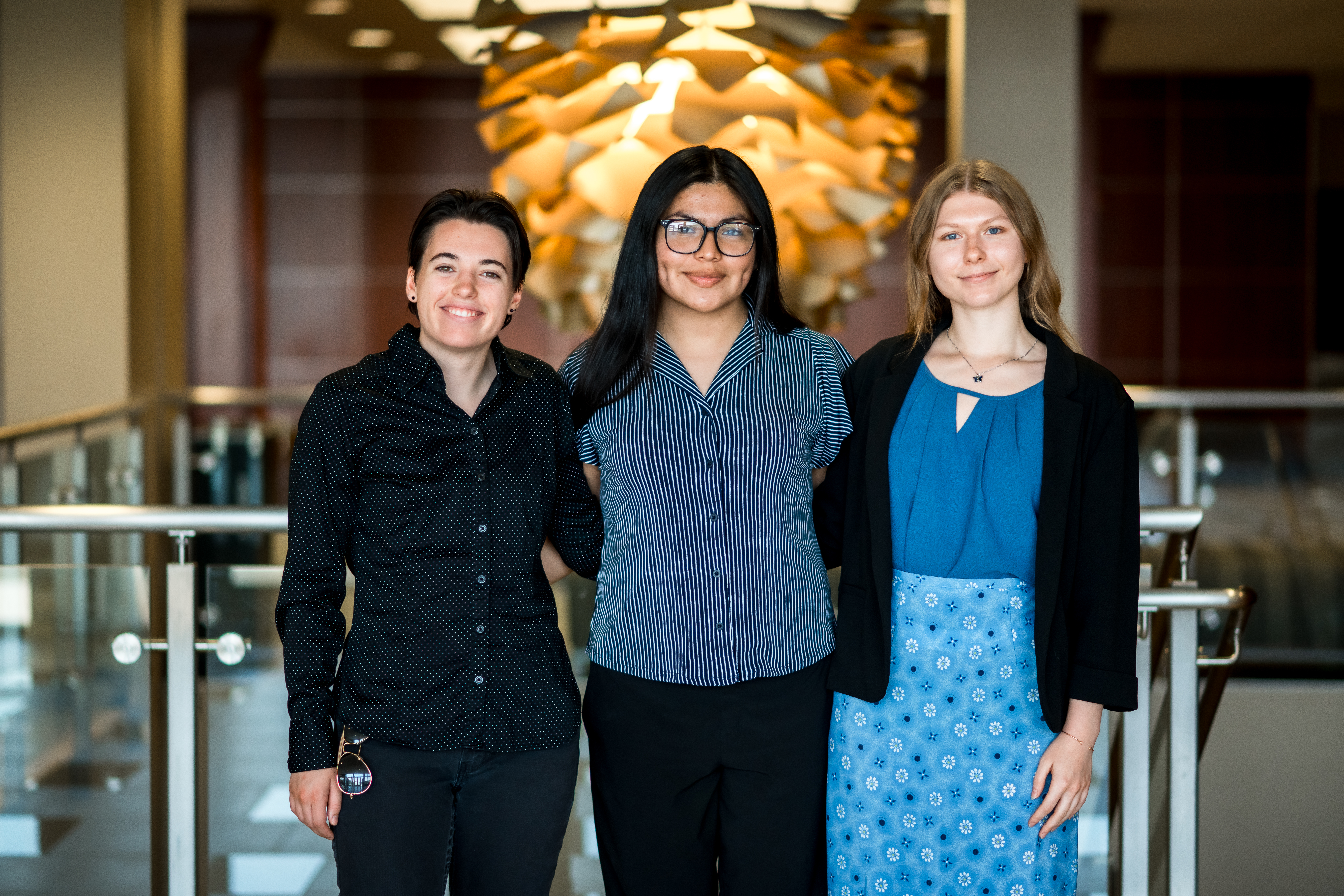
Aunque la mayoría de las organizaciones que reciben a los pasantes se encuentran fuera del campus, ASV y HealthHum han tenido la suerte de recibir a algunos de los primeros pasantes de HIREs. Los estudiantes de licenciatura de Wichita State Serenity (Ren) McDonald, Mariel Becicka y Jamilid (Jam) Romero-Oritz son pasantes de Mellon con ASV este verano. Ren, quien se especializa en Lingüística y Español, ha estado coordinando las mesas informativas de ASV en eventos públicos para conversar con miembros de la comunidad en español e inglés sobre el acceso lingüístico a los servicios de salud y el trabajo que realizamos para promover la equidad en la salud de las comunidades multilingües. Con la ayuda de Mariel, Jam y la estudiante de licenciatura Isabel Fulkerson, Ren también está liderando la creación de una nueva organización estudiantil de Alce su Voz. Mariel, quien se especializa en Español y Lengua de Señas Estadounidense (ASL), está desarrollando descripciones de audio de nuestro contenido en línea para hacer que nuestro trabajo sea accesible para personas con discapacidad visual. También colaborará en el proyecto de historia oral de ASV, Stories of Language, Communication, and the COVID-19 Pandemic in Kansas Latinx Communities (Historias del lenguaje, la comunicación y la pandemia de COVID-19 en las comunidades latinas de Kansas). Finalmente, Jam, quien se especializa en Psicología y tiene una especialización secundaria en Español, dirigirá las actividades de creación de redes con estudiantes y la producción de contenido para redes sociales.
Alce su Voz está afiliado a HealthHum, un centro de WSU que conecta a estudiantes y profesores de toda la universidad que participan en estudios relacionados con la salud y en actividades de vinculación comunitaria, incorporando perspectivas humanísticas para complementar y potenciar el impacto de las profesiones de la salud biomédica. El centro ofrece un Certificado de Licenciatura en Humanidades de la Salud y organiza regularmente conferencias de invitados y coloquios de profesores. A través del programa HIREs, HealthHum ahora puede ayudar a los estudiantes de humanidades de la salud a poner la teoría en práctica. Durante el semestre inaugural, HealthHum facilitó las prácticas de Jayden Island en Student Health Services, Quinn Adams en HOPE Services, Sam Hoppe en Trabajo Social e incluso una práctica de «Filosofía en la Práctica» para Isla Running como pasante de pre-derecho en la oficina de Transferencia y Comercialización de Tecnología. Los estudiantes pudieron trabajar directamente con pacientes y personal clínico en algunos proyectos, y utilizar sus habilidades humanísticas en contextos sometidos a presiones que pueden deshumanizar la atención.
En el otoño de 2026, el programa HIREs se ampliará para incluir a más socios fuera de la universidad y ofrecer una gama más amplia de oportunidades. Mientras tanto, en WSU, Alce su Voz y HealthHum continuarán involucrando a estudiantes de toda la universidad para poner a la humanidad en el centro de la atención médica.
Alce su voz es una coalición comunitaria cuya misiónes mejorarla equidad en la salud de los hispanohablantes y hablantes de lenguas indígenas en los Estados Unidos, con un enfoque en Kansas y el medio oeste. Para obtener mayor información paraparticipar, envíe un correo electrónico a alcesuvoz@wichita.edu. También puede unirse a nuestra lista de correo electrónico y seguirnos en Facebook.